










Becoming a parent changes everything - you, your relationship and your life. But being ready doesn't mean being perfect. Find out how you can prepare yourself mentally, emotionally and as a couple for the biggest adventure of your life.
The question that changes everything
"Am I ready for a child?" Almost every expectant mother and father asks themselves this question at some point. And it's not easy to answer. In a world where performance and optimization are everything, there is often little room for an honest examination of this existential question.
But here's the good news: being ready doesn't mean being perfectly prepared. It means consciously facing the biggest change of your life and preparing yourself mentally, emotionally and as a partner. This guide shows you how to do this: realistically, without pressure and with a focus on what really matters.

1. psychological preparation: the foundation of your parenthood
Most parents-to-be prepare for the practical things: setting up the nursery, choosing the right diaper, buying a stroller. But psychological preparation is often overlooked, even though it is the most important foundation.
Many parents-to-be are worried about the upcoming changes. This is completely normal. These worries are not a sign of inadequacy, but of a sense of responsibility.
What does psychological preparation mean in concrete terms?
Redefining your identity: Who are you when you become a mother or father? This question may sound simple, but it is profound. You won't stop being yourself, but your role will expand. Take time to reflect on how you connect this new identity with your previous dreams and goals.
Coming to terms with your own childhood: What parenting patterns did you experience yourself? What do you want to pass on, what do you consciously want to do differently? This reflection is not selfish, it is the key to more conscious parenting.
Renegotiate the relationship: A child fundamentally changes a partnership. Talk openly about your expectations regarding the division of roles, your time together and your mutual support. These conversations are uncomfortable, but they prevent frustration and conflict later on.

2 Mental health: your most important asset
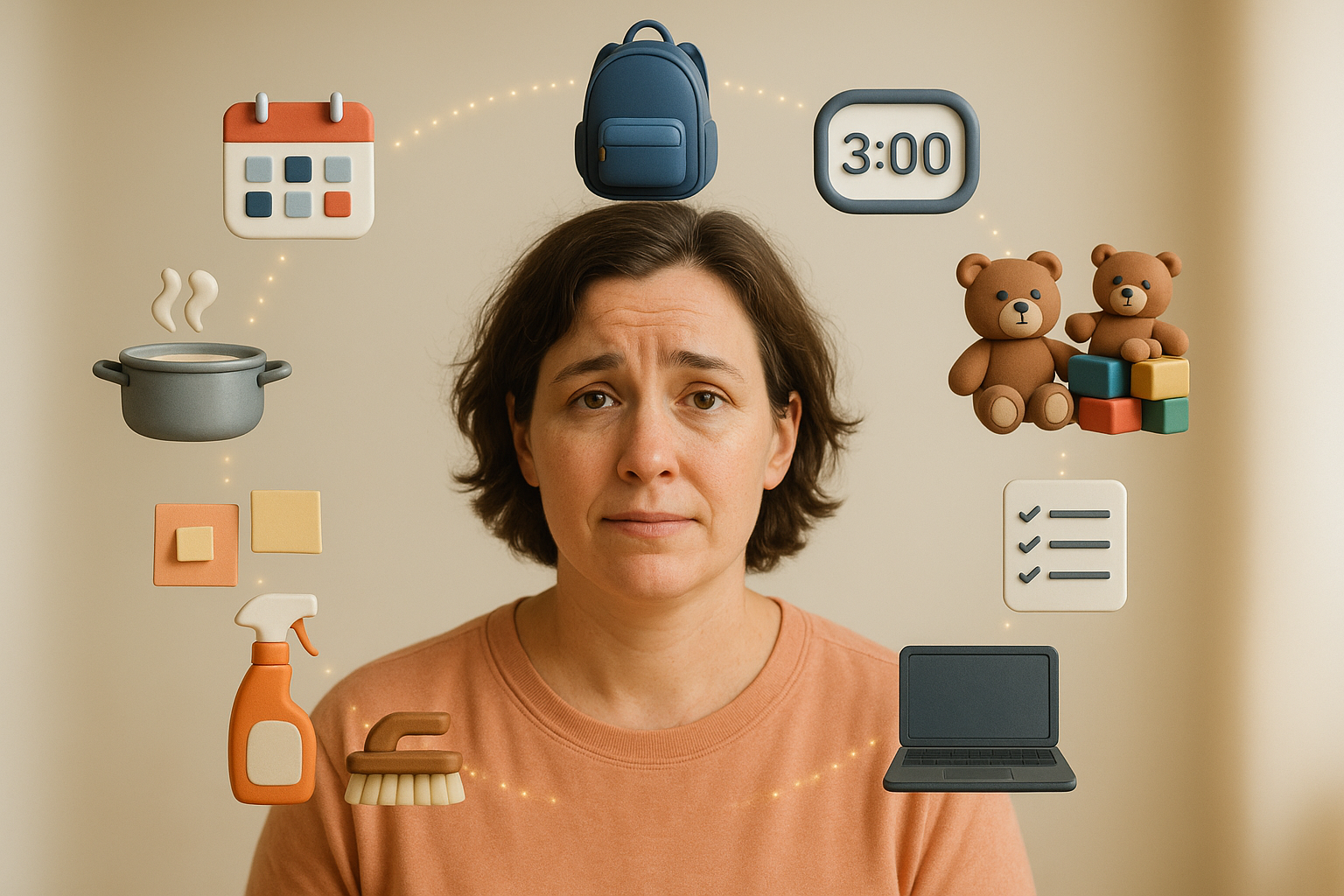
The Health trend for 2026 is "Relief instead of self-optimization". And no area needs this message more urgently than parenting. The social pressure to be the "perfect" mother or father is immense. As a result, almost 70 percent of parents often feel burnt out.
Parental burnout is real. It manifests itself in chronic exhaustion, emotional distance from the child and a feeling of failure as a parent. The good news is that you can prevent it if you start now.
Strategies for burnout prevention
Realistic expectations: Find out about the real challenges. Yes, Babies cry. Yes, you will be tired. Yes, there will be moments when you want to run away. That's not a sign of failure - that's parenting.
The "good enough principle": You don't have to be perfect. Your child doesn't need a perfect mother or father. It needs a loving, authentic person who makes an effort. That is more than enough.
Self-care as a necessity: Schedule fixed times for yourself - not as a luxury, but as a necessity. 15 minutes a day can make a difference. A bath, a walk, a book, whatever makes you feel good.
Your support network: Who can support you in the first few weeks? Family, friends, a postnatal midwife, a maternity and paternity counselor? Build your own "village". You can't do everything on your own and that's okay and absolutely normal.

3 The new fatherhood: an opportunity for the whole family
The days when fathers were just the providers are over. More and more fathers want to play an active and equal role. A recent study shows that fathers today are striving for partnership-based parenthood. And that's wonderful for the whole family.
Why active fathers are so important
Children with involved fathers often show better emotional stability and social skills. For the mother, a committed partner is the best relief and the best protection against postpartum depression. And for the father himself, active fatherhood is deeply meaningful.
Tip for fathers-to-be: Your role doesn't just start with the birth. Be present at antenatal appointments. Talk to the baby in your belly. Take on changing and nursing duties from day one. Your involvement is not optional, it is essential.
4. the parent-child bond: The basic trust for life
A secure parent-child bond is the foundation for the basic trust that a child takes with them into life. It does not develop by itself, but through countless small moments of affection and sensitivity.
The attachment theory founded by John Bowlby states that a child needs a secure base from which to explore the world. This base is you.
How to build a secure bond
Sensitivity: Learn to interpret your baby's signals and respond to them promptly. It's not about always having the right answer. It's about trying lovingly.
Availability: Your child needs to experience that you are there when they need you. This creates trust.
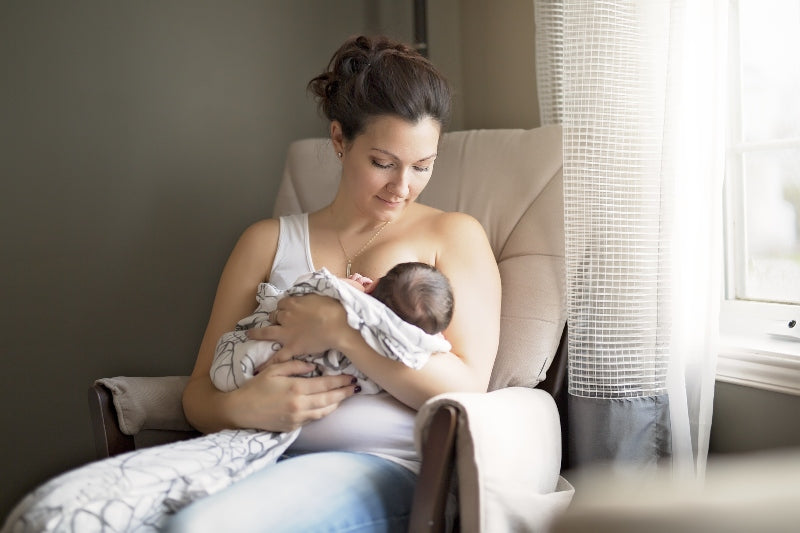
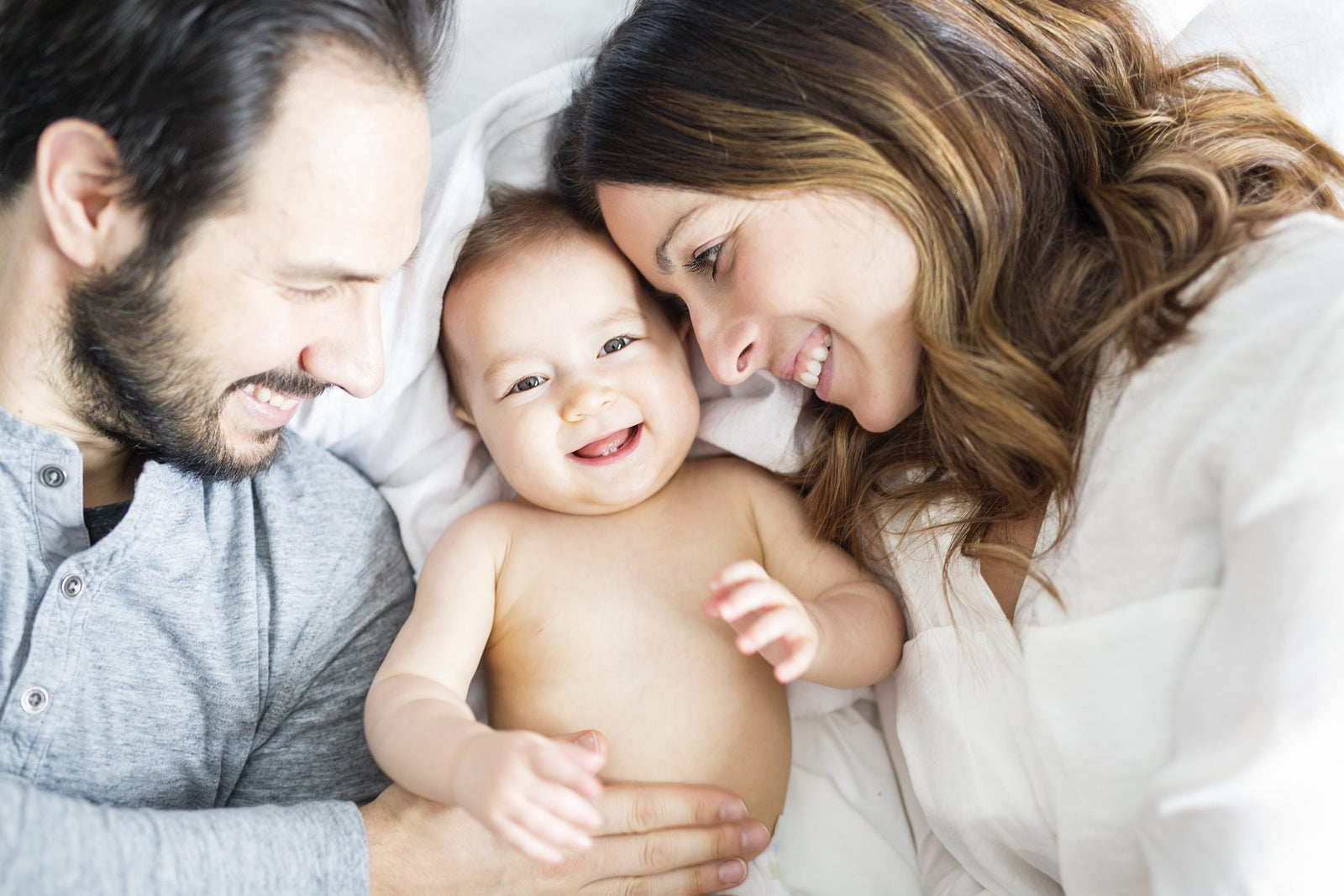
Skin contact (bonding): Physical closeness releases the bonding hormone oxytocin. Cuddling, wearing a sling, bathing together all strengthen your bond.
Shared rituals: Fixed rituals such as reading aloud in the evening or having a bath together provide security and strengthen the bond.

5. when things get difficult: Common challenges
The first few months with a baby are wonderful and at the same time one of the biggest challenges and changes of your life. Lack of sleep, constant availability, the new rhythm of life - it can all be overwhelming.
Issues such as difficulties with breastfeeding or crying fits in babies can also be an emotional burden. This is normal. A good support network, which you build up in advance, is worth its weight in gold in these moments.
Be aware of this even before the birth: if you notice that the strain is becoming too great, if you feel exhausted, irritable or emotionally distant from the baby for a long time, seek professional help. This is not failure. This is self-care.
Conclusion: Are you ready to grow?
The question is not whether you are perfectly prepared. No one is. The real question is: are you ready to grow together with your child and your partner?
If you are aware of the psychological transformation, your Mental health a priority, see parenting as a team effort and focus on building a deep, loving bond - then yes, you're ready.
The adventure of being a parent is waiting for you. It won't always be easy. But it will be the greatest and most beautiful adventure of your life.

Your next step
The adventure of being a parent starts now. You don't just need good advice, you also need the right companions on this journey.
Discover our lovingly selected must-haves, from cozy Baby blankets up to personalized washcloths. Each product is selected with love to accompany you and your baby on this wonderful journey.
FAQ
What is the first step in psychological preparation?
How can we tell if we are ready to become parents?
What changes in life when you become a parent?